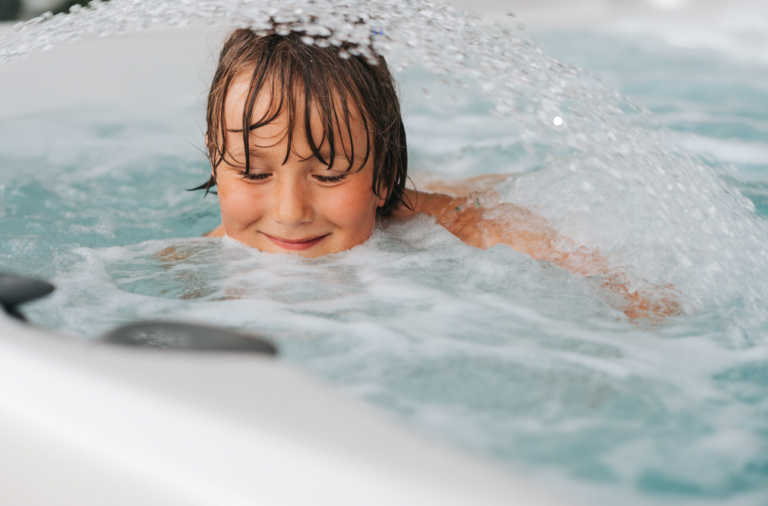
You know the feeling. A weekend of yard work, a long run or a pickup game, and by Monday morning you’re getting out of bed one careful limb at a time. Your back is tight, your knees complain on the stairs, and the stiffness hangs around far longer than it used to.
It doesn’t take a big event, either. A stiff lower back from eight hours at a desk, sore legs from a morning workout, or shoulders that live somewhere up near your ears all add up. You stretch a little, take something for it, and hope it fades. Sometimes it does. Often it just piles up.
And the pile gets heavy. Tight muscles make sleep worse. Poor sleep makes you sore and cranky the next day. Skip a few workouts because everything hurts and you lose the very thing that was keeping you loose. Booking a massage every week isn’t realistic for most families, and the gym hot tub is never as relaxing as it sounds.
There’s a simpler option, and it sits right outside your back door. A hot tub for relaxation and recovery gives you warm water, buoyancy and targeted massage whenever you want it, with no appointment, no drive and no crowd. Here’s how it works, who it helps, and how to get the most out of every soak.
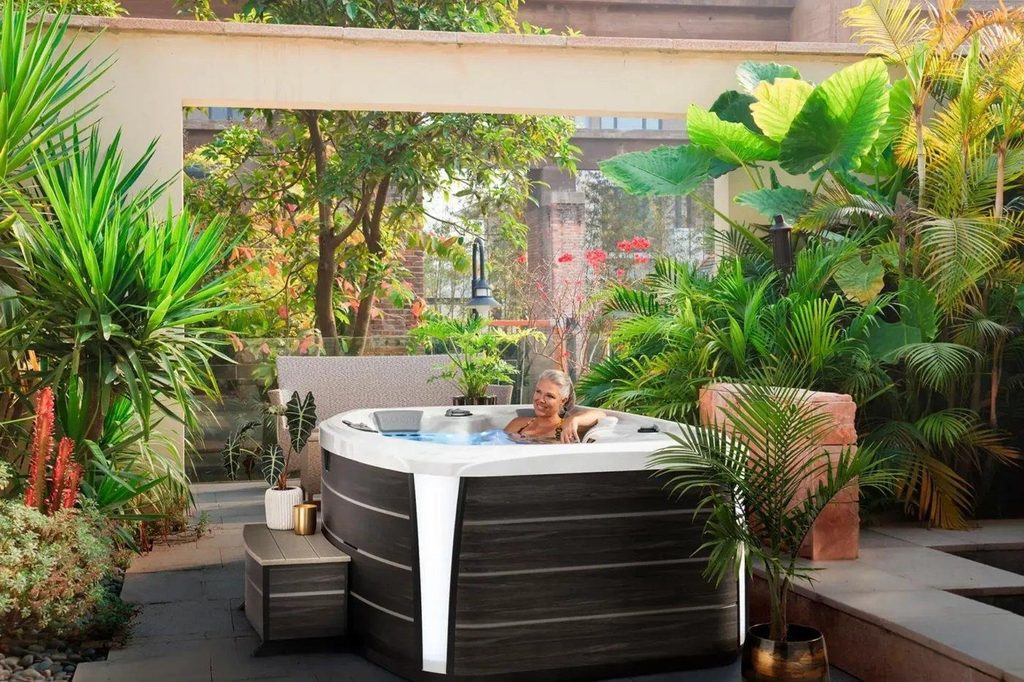
What Low-Impact Recovery Means for Your Body
Low-impact recovery is anything that helps your body repair itself without adding more strain. Think of it as the opposite of pushing through. Instead of pounding your joints or loading tired muscles, you give them a gentle environment where they can relax.
Walking, swimming, light stretching and warm water therapy all fit here. What they share is low stress on joints paired with enough movement or warmth to keep blood flowing. That balance matters. Complete stillness can leave you stiff, while too much activity can stall healing.
Warm water is one of the oldest forms of this kind of care. People have soaked in hot springs for centuries for a reason. Today, hot tub hydrotherapy brings that same idea home, with controlled temperature, clean water and jets you can adjust to your body.
The real advantage is consistency. Recovery works best when it’s a habit, and a habit is much easier to keep when the tool is twenty steps from your kitchen.
How Warm Water Helps Tired Muscles Bounce Back
A good soak feels great, but there’s real physiology behind that feeling. Several things happen at once when you settle into a hot tub, and each one plays its own part in helping sore muscles recover.
Heat That Gets Blood Moving
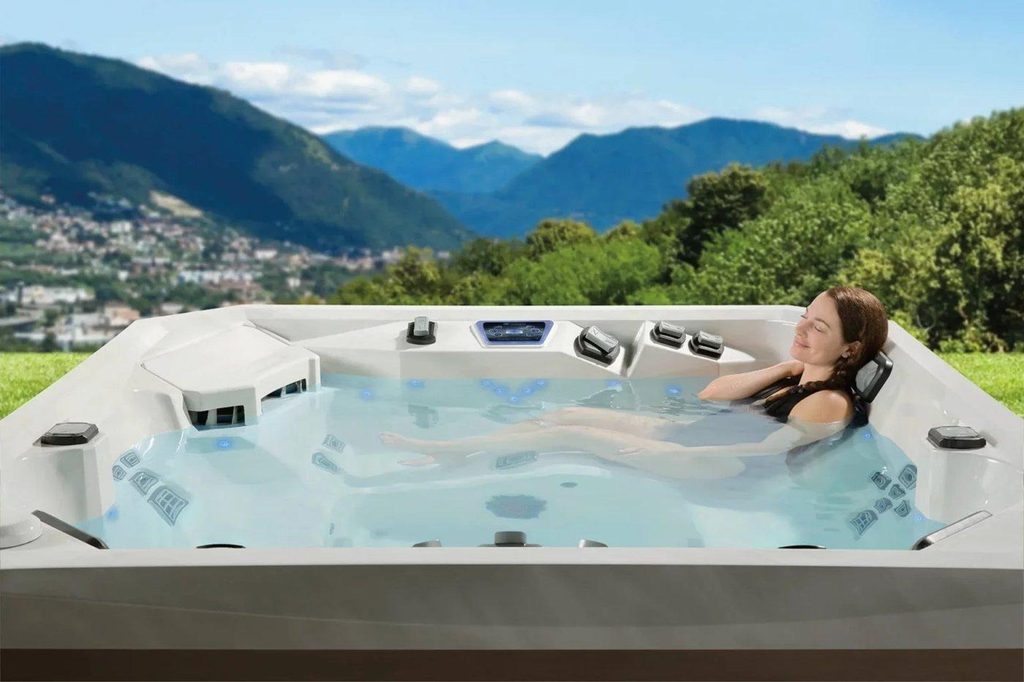
Warm water causes your blood vessels to widen. More blood reaches your muscles, carrying oxygen and nutrients that help repair small tears from exercise or physical work. That extra circulation also helps loosen tense muscles and clear out the waste products that build up after effort.
Researchers have looked at this directly. A 2008 study in the European Journal of Applied Physiology examined how hydrotherapy affects delayed onset muscle soreness, the stiff, achy feeling that shows up a day or two after a hard effort. Warm water won’t erase soreness overnight, but it can make the days after a big workout far more comfortable.
Buoyancy That Takes Weight Off Your Joints
When you sit in water up to your chest, it supports a large share of your body weight. Your knees, hips and spine get a break from carrying you around. That’s the low-impact part in action.
This weightless feeling lets muscles that have been guarding a sore area finally let go. It also makes gentle movement easier, so you can stretch or rotate a stiff joint without the usual resistance.
Jet Massage Aimed Where It Hurts
Jets add the massage element. A steady stream of warm water and air works into tight spots in your back, neck, calves and feet. Unlike a quick self-massage with your hands, the jets keep working the whole time you sit there.
Adjustable jets let you dial the pressure up for a deep knot or down for a softer, soothing flow. That control is what turns a warm bath into true hydrotherapy.
The Mental Reset: Stress Relief in Warm Water
Recovery isn’t only physical. Stress tightens your body as much as a hard workout does. Clenched jaws, raised shoulders and shallow breathing are all signs that your nervous system is stuck in high gear.
Warm water helps you shift out of that mode. The heat, the sound of moving water and the feeling of floating all signal to your body that it’s safe to slow down. Many owners say the hot tub is the one place where they finally put their phone down.
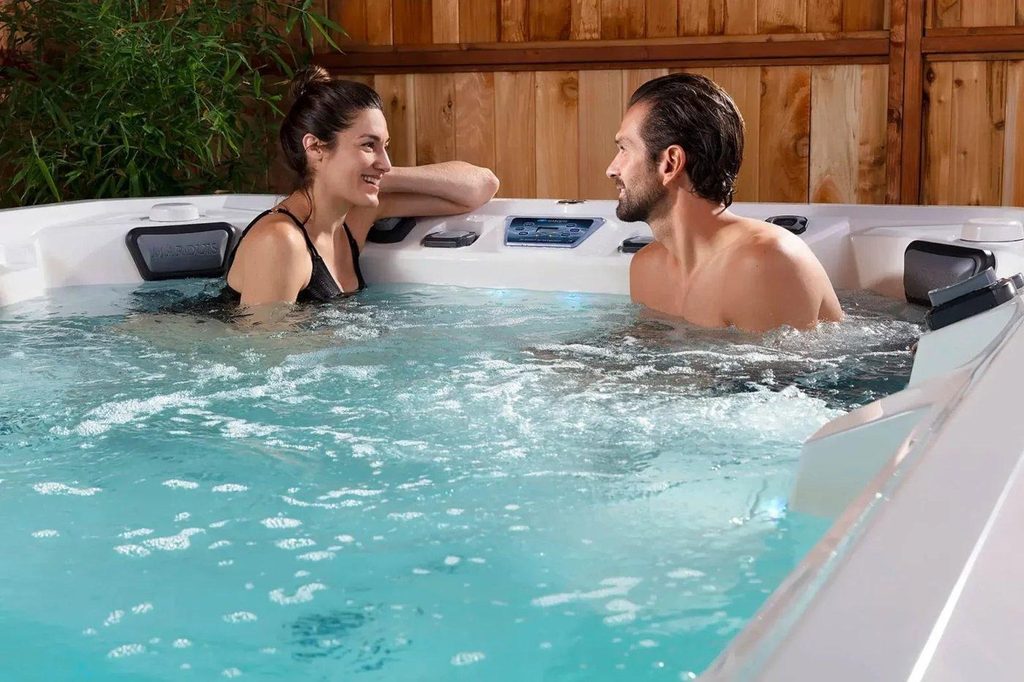
There’s also a ritual side to it. Lifting the cover, stepping in and sinking down becomes a clear line between work mode and home mode. That small daily habit can do a lot for your mood over time.
For couples and families, it’s often the best conversation spot at home. No screens, no distractions, just twenty minutes of talking under the stars. That kind of connection is its own form of recovery.
Better Sleep Starts in Your Backyard
Sleep is where most of your body’s repair work happens. If aches or racing thoughts keep you awake, recovery slows down. A hot tub for sleep can help break that cycle.
Timing matters here. A soak about an hour to an hour and a half before bed tends to work best. Your body temperature rises in the water, then gradually drops once you get out. That cooling curve mirrors what naturally happens as you fall asleep, which can make drifting off feel easier.
The muscle relaxation helps too. It’s hard to sleep well when your lower back throbs every time you roll over. Loosening those muscles before bed means fewer wake-ups and a more comfortable night.
Try it for a week. Soak in the evening, skip screens afterward, and keep your bedroom cool. Many people notice a difference within a few nights.
Who Benefits Most From At-Home Hydrotherapy
Almost anyone can enjoy a soak, but some groups notice the benefits faster. See which one sounds like you.
Active Adults and Weekend Athletes
Runners, cyclists, hockey players, golfers and gym regulars all put their muscles through repeated stress. A post-workout soak helps them feel ready for the next session sooner. Hot tub muscle recovery becomes part of the training plan, not an afterthought.
Desk Workers and Long Commuters
Sitting for hours tightens hip flexors, compresses the lower back and rounds the shoulders. Warm water and targeted back jets undo some of that daily strain. It’s a satisfying way to end a day spent hunched over a laptop.
Older Adults With Stiff Joints
Morning stiffness and achy joints can make regular exercise hard to keep up. Warm, buoyant water makes gentle movement easier and more comfortable. Always check with your doctor first if you have a heart condition, blood pressure concerns or other health issues.
Busy Parents Who Need a Quiet Hour
Lifting kids, carrying groceries and running on little sleep wears down the body in sneaky ways. A late-evening soak after the house goes quiet gives parents a rare moment that’s just for them.
Easy Recovery Routines You Can Do in the Water
Owning a hot tub is one thing. Using it with a bit of intention makes each session count. These simple routines fit easily into a normal week.
The Post-Workout Soak
Give your body about 15 to 20 minutes to cool down after an intense workout before you step in. Then soak for 15 to 20 minutes, focusing jets on the muscles you worked hardest. Drink a glass of water before and after to stay hydrated.
Gentle In-Water Stretches
Warm muscles stretch more easily. Try these while seated or standing in the water:
- Neck rolls: slowly tip your head side to side, then forward, letting the water support your shoulders.
- Ankle circles: lift one foot and draw slow circles in each direction.
- Seated knee hugs: pull one knee gently toward your chest and hold for 20 seconds.
- Shoulder blade squeezes: draw your shoulder blades together, hold, and release.
- Calf stretch: brace your foot against the opposite bench and lean forward slightly.
Move slowly and never stretch into pain. The goal is easy, relaxed movement.
The Evening Wind-Down
Dim the lights, turn the jets to a lower setting, and focus on slow breathing. Breathe in for four counts, out for six. Ten minutes of this before bed can quiet a busy mind faster than scrolling ever will.
Hot Tub Features That Support Better Recovery
Not every hot tub delivers the same experience. The right features make a big difference in how well your body responds, so here’s what to look for when you start shopping.
Marquis® High-Flow Therapy System
More pressure isn’t always better. Marquis® hot tubs use a High-Flow Therapy System that delivers a steady, soothing flow of water instead of harsh, high-pressure blasts. That continuous flow supports circulation and eases muscle tension while staying gentle on your skin.
Jet placement matters just as much. Marquis® designs each seat with jets at different heights and angles, so your back, shoulders and legs all get attention. Whether you lean back after a long workday or sink into a lounger after a run, the therapy reaches the muscles that need it.
Clean, Comfortable Water
Recovery feels better in water you trust. ConstantClean+ combines filtration and sanitation cycles to keep the water consistently fresh, which means less time testing and more time soaking. Some models also offer MicroSilk®, which adds a silky feel to the water that many owners love on tired skin.
Seating, Loungers and Temperature Control
Seat design matters as much as jet count. Look for a mix of seat depths so taller and shorter family members both sit at the right height. A full-body lounger lets you stretch out and get jets on your calves and feet. Precise digital temperature control lets you set the water exactly where your body likes it.
The best way to choose is to book a wet test and sit in a few models yourself. Your body will tell you which one feels right.
Soaking Smart: Temperature, Timing and Safety
A hot tub is gentle, but common sense still applies. Keep the water at or below 104°F (40°C). Most people find 98 to 102°F (37 to 39°C) ideal for longer, relaxing soaks.
Limit sessions to about 15 to 30 minutes, especially at higher temperatures. Get out if you feel dizzy, lightheaded or overheated. Stay hydrated, and skip alcohol before or during your soak.
Talk to your doctor before using a hot tub if you’re pregnant or have heart disease, blood pressure issues or another medical condition. A hot tub supports wellness, but it doesn’t replace medical care for an injury or chronic pain.
Clean water is part of safety too. Keep up with regular hot tub water care so every soak is fresh, clear and comfortable. Our team is always happy to walk you through a simple routine.
Frequently Asked Questions
These are the questions we hear most often from homeowners thinking about at-home hydrotherapy.
How long should I sit in a hot tub after a workout?
Most people do well with 15 to 20 minutes. Wait until your heart rate settles after intense exercise, then soak and drink water before and after.
Is a hot tub good for sore muscles?
Yes, for many people. Warm water boosts circulation, buoyancy eases pressure on muscles and joints, and jets massage tight areas. Together they can make soreness feel much more manageable.
Can using a hot tub help me sleep better?
It can. A soak an hour or so before bed raises your body temperature, and the gradual cool-down afterward can help you fall asleep more easily. Relaxed muscles also mean fewer wake-ups.
Is a hot tub safe for stiff or achy joints?
Warm water is gentle on joints and makes slow movement easier. If you have arthritis or another joint condition, check with your doctor about the right temperature and soak length for you.
How often should I use my hot tub for recovery?
Many owners soak daily or several times a week. Consistency matters more than session length, so short, regular soaks usually beat occasional long ones.
What’s the best water temperature for relaxation?
Between 98 and 102°F (37 to 39°C) suits most people. Never go above 104°F (40°C).
Where can I try a hot tub before I buy?
You can book a wet test at any Marquis® Hot Tubs location in Beaverton, Salem or Camarillo. Bring a swimsuit, try a few seats, and see which jets and loungers feel best for your body.
Bring Recovery Home With Marquis® Hot Tubs
Sore muscles, stiff joints and restless nights don’t have to be part of your weekly routine. Warm water, buoyancy and targeted jets give your body a gentle way to reset, and having that at home makes it easy to do every day.
You don’t need to wait for aches to pile up. A hot tub for relaxation and recovery gives you a daily, low-impact way to care for your body and calm your mind, all without leaving home.
At Marquis® Hot Tubs, we help homeowners across Oregon and California find the right hot tub for their body and their backyard. Visit our showrooms in Beaverton, Salem or Camarillo, book a wet test, and feel the High-Flow Therapy System for yourself. Your muscles will thank you.